
Introduction to Pulsamento
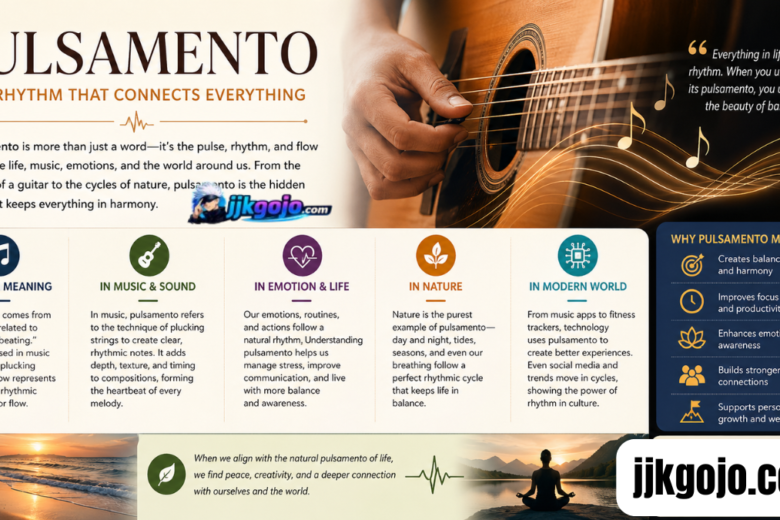
Pulsamento is a term that may sound unfamiliar at first, but once you start exploring it, you realize it carries depth across multiple fields. Whether it is connected to language, music, rhythm, or even human expression, pulsamento represents movement, beat, and flow. In simple terms, pulsamento can be understood as a form of pulse or rhythmic motion that drives something forward, giving it life and continuity.
In today’s fast-moving world, concepts like pulsamento have gained more attention because people are starting to value rhythm not just in music, but in everyday life. From how we work to how we relax, everything has a natural rhythm. Pulsamento captures this idea in a way that feels both artistic and practical.
The beauty of pulsamento lies in its versatility. It is not limited to one definition or industry. Instead, it adapts based on context. In some cases, it may refer to a musical technique, while in others it could symbolize emotional or physical rhythm. This flexibility is what makes pulsamento such an interesting topic to explore deeply.
The Origin and Meaning of Pulsamento
The word pulsamento has roots in Latin-based languages, where it is closely related to the concept of “pulse” or “beating.” It is derived from words that describe movement, vibration, or repeated action. Over time, the term evolved and began appearing in different forms across languages, especially in artistic and musical contexts.
Historically, pulsamento was used to describe the act of plucking strings in musical instruments. This is particularly relevant in classical music traditions where string instruments play a major role. The idea of producing sound through rhythmic plucking became strongly associated with pulsamento, making it a technical term in music as well as a poetic one.
Today, pulsamento has expanded beyond its original meaning. It is often used metaphorically to describe anything that has a steady, rhythmic flow. For example, the pulsamento of a city could refer to its daily energy, movement, and life. This broader interpretation makes the term more relatable and widely applicable in modern conversations.
Pulsamento in Music and Sound
One of the most recognized uses of pulsamento is in the world of music. In this context, it refers to the technique of plucking strings on instruments like guitars, violins, or harps. This method creates a distinct sound that is both sharp and rhythmic, giving music a unique texture and feel.
Musicians often use pulsamento to add depth to their compositions. Unlike continuous bowing or strumming, plucking creates individual notes that stand out clearly. This allows for greater control over rhythm and timing, which is essential in many musical styles. Classical, flamenco, and even modern acoustic music all make use of pulsamento techniques.
Beyond technique, pulsamento also represents the heartbeat of music. Every song has a pulse, a steady rhythm that guides its flow. Without this pulse, music would feel chaotic and disconnected. Pulsamento ensures that everything stays in sync, creating harmony and balance in the overall composition.
The Role of Pulsamento in Rhythm and Timing
Rhythm is a fundamental part of human life, and pulsamento plays a key role in defining it. Whether it is music, speech, or even movement, rhythm helps create structure and predictability. Pulsamento acts as the underlying force that keeps everything aligned and flowing smoothly.
In practical terms, pulsamento can be compared to a metronome. It provides a steady beat that guides actions and decisions. For example, when a musician follows a rhythm, they rely on pulsamento to stay consistent. Similarly, in dance, pulsamento helps performers move in sync with the music.
The importance of pulsamento in rhythm goes beyond art. It can also be seen in everyday activities like walking, breathing, or even typing. These actions all have a natural rhythm, and understanding pulsamento can help improve coordination and efficiency in these tasks.
Pulsamento in Human Emotion and Expression
Pulsamento is not just about sound or movement; it is also deeply connected to human emotion. Our feelings often follow a rhythm, rising and falling like a pulse. This emotional pulsamento influences how we react to different situations and how we express ourselves.
For example, excitement can create a fast and energetic pulsamento, while calmness leads to a slower and more relaxed rhythm. Artists, writers, and performers often tap into this concept to create more engaging and authentic work. By understanding emotional pulsamento, they can connect better with their audience.
This idea also applies to communication. The way we speak, including our tone and pacing, reflects our internal pulsamento. A confident speaker may have a steady and controlled rhythm, while someone nervous might have a more irregular flow. Recognizing these patterns can help improve communication skills.
Pulsamento in Daily Life
Although pulsamento is often discussed in artistic contexts, it is equally relevant in daily life. Every routine we follow has its own rhythm, from waking up in the morning to going to bed at night. This daily pulsamento helps create stability and balance.
When our routines are consistent, our pulsamento becomes steady, making us feel more organized and in control. On the other hand, disruptions in routine can lead to irregular pulsamento, which may cause stress or confusion. Understanding this concept can help in managing time and maintaining a healthy lifestyle.
Pulsamento can also be seen in productivity. People often perform best when they work in a rhythm, taking breaks at regular intervals and maintaining a steady pace. This approach prevents burnout and improves overall efficiency, showing how important pulsamento is even outside creative fields.
The Connection Between Pulsamento and Nature
Nature itself operates on pulsamento. From the changing seasons to the cycle of day and night, everything follows a rhythmic pattern. This natural pulsamento is essential for maintaining balance in the environment.
For example, the ocean tides move in a rhythmic pattern influenced by the moon. Similarly, plants grow and bloom according to seasonal rhythms. These natural cycles demonstrate how pulsamento is a universal concept that extends beyond human activities.
Understanding nature’s pulsamento can also help us live more harmoniously. By aligning our routines with natural rhythms, such as sleeping and waking with the sun, we can improve our physical and mental well-being. This connection highlights the importance of pulsamento in creating a balanced life.
Pulsamento in Technology and Modern Culture
In the modern world, pulsamento has found its way into technology and digital culture. From music production software to fitness apps, many tools are designed around the concept of rhythm and timing. These technologies rely on pulsamento to function effectively.
For instance, digital music platforms use beats per minute to define the pulsamento of a track. This helps DJs and producers create seamless transitions between songs. Similarly, fitness trackers monitor heart rate, which is essentially the body’s natural pulsamento, to provide insights into health and performance.
Even social media has its own pulsamento. Trends rise and fall in cycles, creating a rhythm that influences user behavior. Understanding this pattern can help individuals and businesses stay relevant and make better decisions in the digital space.
The Artistic Importance of Pulsamento
Artists across different fields use pulsamento as a core element of their work. Whether it is music, painting, or writing, rhythm plays a crucial role in creating engaging content. Pulsamento helps artists structure their work and guide the audience’s experience.
In visual arts, pulsamento can be seen in patterns, repetition, and movement within a composition. These elements create a sense of flow that draws the viewer’s attention. Similarly, in writing, sentence structure and pacing contribute to the overall pulsamento of a piece.
The ability to control pulsamento is what separates average work from exceptional art. Skilled artists understand how to manipulate rhythm to create tension, excitement, or calmness. This mastery allows them to connect deeply with their audience and leave a lasting impression.
Pulsamento and Personal Growth
Pulsamento can also be a powerful tool for personal development. By becoming aware of your own rhythm, you can make better decisions and improve your overall well-being. This includes understanding when you are most productive, when you need rest, and how to maintain balance in your life.
For example, some people are more active in the morning, while others perform better at night. Recognizing your natural pulsamento can help you schedule tasks more effectively. This leads to improved productivity and reduced stress.
Personal growth also involves emotional balance, and pulsamento plays a role here as well. By managing your emotional rhythm, you can respond to challenges more calmly and make more thoughtful decisions. This awareness is key to achieving long-term success and happiness.
Challenges in Understanding Pulsamento
Despite its importance, pulsamento can be difficult to define clearly. Its meaning changes depending on the context, which can lead to confusion. Some people may see it purely as a musical term, while others view it as a broader concept related to rhythm and flow.
Another challenge is recognizing pulsamento in everyday life. Because it is such a natural and constant presence, people often overlook it. It becomes part of the background, making it harder to appreciate its significance.
However, once you start paying attention to pulsamento, it becomes easier to identify and understand. This awareness can lead to a deeper appreciation of rhythm in all aspects of life, from art to daily routines.
The Future of Pulsamento

As society continues to evolve, the concept of pulsamento is likely to become even more relevant. With increasing focus on mindfulness, wellness, and creativity, people are beginning to value rhythm and balance more than ever before.
In the future, pulsamento may play a larger role in fields like education, where understanding rhythm can improve learning and retention. It could also influence workplace practices, encouraging more balanced and sustainable work habits.
Technology will continue to integrate pulsamento into its design, making tools more intuitive and user-friendly. This integration will help people connect with their natural rhythms and improve their overall quality of life.
Conclusion
Pulsamento is more than just a word; it is a concept that connects music, emotion, nature, and daily life. It represents the rhythm that drives everything, from the smallest actions to the largest systems. By understanding pulsamento, we can gain a deeper appreciation for the patterns that shape our world.
Whether you are an artist, a professional, or simply someone looking to improve your lifestyle, pulsamento offers valuable insights. It reminds us that balance and rhythm are essential for success and well-being. By embracing this concept, we can create more harmony in our lives and the world around us.
FAQs
What does pulsamento mean?
Pulsamento refers to rhythm, pulse, or a repeated motion often used in music and broader contexts.
Is pulsamento only used in music?
No, pulsamento is also used to describe rhythm in life, emotions, and natural patterns.
Why is pulsamento important?
It helps create balance, structure, and flow in activities like music, communication, and daily routines.
Can pulsamento improve productivity?
Yes, working with a steady rhythm or pulsamento can increase focus and efficiency.
How can I understand pulsamento better?
By observing rhythms in music, nature, and your daily habits, you can better understand pulsamento.
Also read: Gaming News eTrueSports: The Ultimate Guide to Modern Esports Updates and Trends