
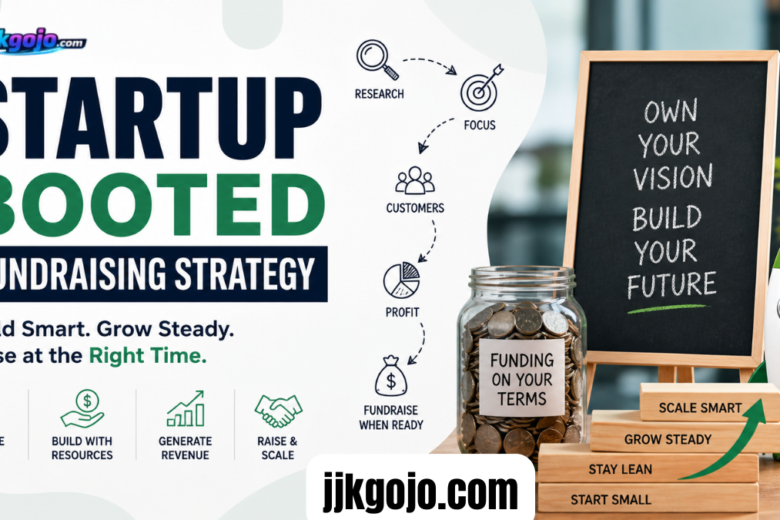
Introduction to Startup Booted Fundraising Strategy
The idea of a startup booted fundraising strategy is becoming more popular than ever before. Many founders today are choosing to build their companies without relying heavily on outside investors. Instead of chasing venture capital from day one, they focus on growing their business using their own money, revenue, and smart planning. This approach is known as bootstrapping, and when combined with strategic fundraising at the right time, it becomes a powerful method for long-term success.
A startup booted fundraising strategy allows founders to stay in control of their business. They do not have to give away large portions of equity early on. This means they can make decisions based on their vision instead of investor pressure. It also forces startups to be disciplined with money, which often leads to stronger business models and better sustainability.
In simple terms, this strategy is about building first and raising later, but raising smartly when needed. It is not about avoiding funding completely. It is about timing, control, and efficiency. Startups that follow this path often become more resilient and adaptable in the long run.
What Does Bootstrapping Really Mean in Startups
Bootstrapping is when a startup is built using personal savings, early revenue, or minimal external funding. Instead of relying on investors, founders rely on their own resources to get started. This forces them to focus on profitability early, which is very different from the typical startup model that focuses on rapid growth at any cost.
When you use a startup booted fundraising strategy, bootstrapping becomes your foundation. You learn how to survive with limited resources. You test your ideas in the real market. You build something that people are actually willing to pay for. This creates a strong base before you even think about raising money.
Another important part of bootstrapping is mindset. Founders need to be patient and realistic. Growth may be slower in the beginning, but it is often more stable. You are not chasing hype or unrealistic valuations. Instead, you are building a real business that can stand on its own.
Why Founders Are Choosing Booted Fundraising Strategies
There is a clear shift happening in the startup world. More founders are moving away from the traditional “raise big, spend big” model. Instead, they are choosing a startup booted fundraising strategy because it gives them more control and flexibility.
One major reason is ownership. When you raise too much money early, you give away a large part of your company. This can become a problem later when you want to make decisions but need investor approval. Bootstrapping allows you to keep a larger share of your business.
Another reason is pressure. Venture capital often comes with expectations of rapid growth. This can push startups to scale too quickly, which increases the risk of failure. A booted approach allows founders to grow at a pace that matches their resources and market demand.
Finally, many founders have seen examples of successful bootstrapped companies. These stories inspire them to take a different path. They realize that funding is not the only way to build a successful startup.
The Core Principles of a Startup Booted Fundraising Strategy
A strong startup booted fundraising strategy is built on a few key principles. The first principle is financial discipline. Every dollar matters when you are bootstrapping. You need to spend wisely and avoid unnecessary expenses.
The second principle is customer focus. Since you are not relying on investors, your customers become your main source of revenue. This means you must create real value and solve real problems. Your business depends on it.
The third principle is timing. Fundraising is not avoided completely. Instead, it is done at the right time. You raise money when it helps you grow faster, not when you are desperate. This gives you a stronger position during negotiations.
Another important principle is adaptability. Bootstrapped startups often need to pivot and adjust quickly. Since resources are limited, you must be flexible and open to change. This helps you survive challenges and find better opportunities.
Building a Startup Without External Funding
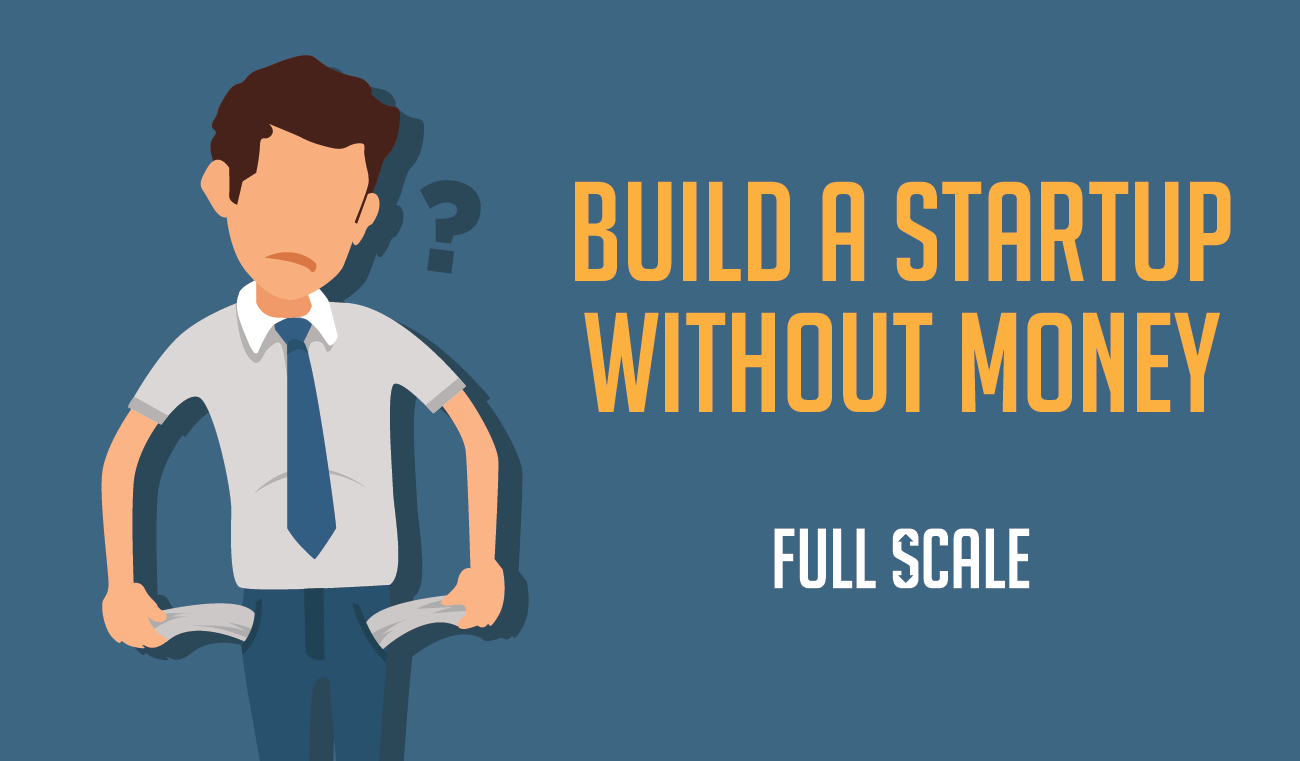
Starting a business without external funding may sound difficult, but it is completely possible. Many successful companies started this way. The key is to begin small and focus on what really matters.
In a startup booted fundraising strategy, the first step is validating your idea. You need to make sure there is real demand for your product or service. This can be done through simple tests, surveys, or small launches. You do not need a lot of money to validate an idea.
Once your idea is validated, you can start building your product. This does not mean creating a perfect version. Instead, focus on a minimum viable product, also known as an MVP. This allows you to launch quickly and start generating revenue.
Revenue is your biggest advantage in this strategy. Even small amounts of income can help you grow. You can reinvest your earnings into improving your product, marketing, and operations. Over time, this creates a cycle of growth without needing external funding.
When and How to Raise Funds in a Booted Strategy
A startup booted fundraising strategy does not mean you will never raise money. It means you will raise money at the right time and for the right reasons. Timing is everything in this approach.
You should consider raising funds when you have proven your business model. This means you have paying customers, consistent revenue, and a clear path to growth. At this stage, investors are more likely to trust your business because you have real results to show.
Another good time to raise funds is when you want to scale quickly. Bootstrapping is great for building a strong foundation, but external funding can help you grow faster. For example, you might use funding to expand into new markets or invest in advanced technology.
The way you raise funds also matters. Instead of giving away large amounts of equity, you can explore alternative options like revenue-based financing, angel investors, or strategic partnerships. These options can align better with your long-term goals.
Common Mistakes in Startup Booted Fundraising Strategy
Even though this strategy has many benefits, it is not perfect. Founders can still make mistakes that slow down their progress or create unnecessary challenges.
One common mistake is being too cautious. Some founders avoid fundraising completely, even when it could help their business grow. This can limit their potential and allow competitors to move ahead.
Another mistake is poor financial management. Bootstrapping requires careful planning, but not all founders manage their finances well. Overspending or misallocating resources can quickly lead to problems.
Some founders also struggle with scaling. Since they are used to operating with limited resources, they may find it difficult to expand when opportunities arise. This is why having a clear growth plan is important.
Lastly, ignoring market feedback is a major mistake. Just because you are bootstrapping does not mean you should ignore your customers. Their feedback is essential for improving your product and staying competitive.
Real-Life Examples of Booted Fundraising Success
There are many successful companies that followed a startup booted fundraising strategy. These examples show that it is possible to build a strong business without relying heavily on external funding.
One well-known example is Mailchimp. The company started as a side project and grew slowly over time. Instead of raising venture capital, the founders focused on building a profitable business. Today, it is one of the most successful email marketing platforms in the world.
Another example is Basecamp. The company was built with a focus on simplicity and efficiency. The founders avoided unnecessary funding and focused on creating a product that customers loved. This approach helped them stay independent and profitable.
These examples highlight an important lesson. Success does not always require large investments. With the right strategy, discipline, and focus, startups can achieve great results on their own terms.
Balancing Growth and Profitability
One of the biggest challenges in a startup booted fundraising strategy is finding the right balance between growth and profitability. Growing too fast can strain your resources, while growing too slowly can limit your opportunities.
Profitability is important because it keeps your business alive. When you are profitable, you do not depend on external funding to survive. This gives you more control and stability.
However, growth is also important. If you do not grow, your competitors may take over your market. This is why you need a balanced approach. Focus on sustainable growth that matches your resources and market demand.
The key is to make smart decisions. Invest in areas that bring the highest return. Avoid unnecessary risks, but do not be afraid to take calculated risks when the opportunity is right.
Tools and Techniques to Support Booted Startups
Technology has made it easier than ever to follow a startup booted fundraising strategy. There are many tools available that can help you save money and operate efficiently.
For example, you can use no-code or low-code platforms to build your product without hiring a large development team. This reduces costs and speeds up the development process.
Marketing tools are also very helpful. Social media, content marketing, and email campaigns allow you to reach your audience without spending a lot of money. These strategies are perfect for bootstrapped startups.
Another important technique is outsourcing. Instead of hiring full-time employees, you can work with freelancers or agencies. This gives you flexibility and helps you manage costs more effectively.
The Future of Startup Booted Fundraising Strategy
The future of the startup booted fundraising strategy looks very promising. As the startup ecosystem evolves, more founders are realizing the benefits of this approach.
Investors are also changing their perspective. They are starting to value profitability and sustainability more than rapid growth. This makes bootstrapped startups more attractive for investment in later stages.
Another trend is the rise of alternative funding options. Founders now have access to crowdfunding, revenue-based financing, and online platforms that connect them with investors. These options make it easier to raise funds without giving up too much control.
In the coming years, we can expect more startups to adopt this strategy. It offers a balanced approach that combines independence with smart fundraising. This makes it a strong choice for modern entrepreneurs.
Conclusion
A startup booted fundraising strategy is not just a trend. It is a practical and effective way to build a business. By focusing on bootstrapping first and raising funds later, founders can create stronger, more sustainable companies.
This approach requires discipline, patience, and smart decision-making. It is not always easy, but the rewards can be significant. You get to keep control of your business, reduce risks, and build something that truly works.
In today’s fast-changing startup world, this strategy offers a fresh perspective. It shows that success is not only about raising money. It is about building value, solving real problems, and growing in a sustainable way.
FAQs
What is a startup booted fundraising strategy?
It is a method where startups grow using their own resources first and raise funds later at the right time.
Is bootstrapping better than venture capital?
It depends on the business, but bootstrapping offers more control and less pressure.
When should a bootstrapped startup raise funds?
When it has proven its business model and needs capital to scale.
Can a startup succeed without investors?
Yes, many successful companies have grown without traditional investors.
What are the risks of bootstrapping?
Limited resources and slower growth can be challenges.
How do bootstrapped startups make money early?
By focusing on revenue-generating products and services from the start.
Is this strategy suitable for all startups?
No, some industries may require large upfront investments.
What is the biggest advantage of this strategy?
Maintaining ownership and control of the business.
Can you combine bootstrapping with fundraising?
Yes, that is the main idea of a startup booted fundraising strategy.
Does this strategy reduce failure risk?
It can, because it promotes sustainable growth and financial discipline.