
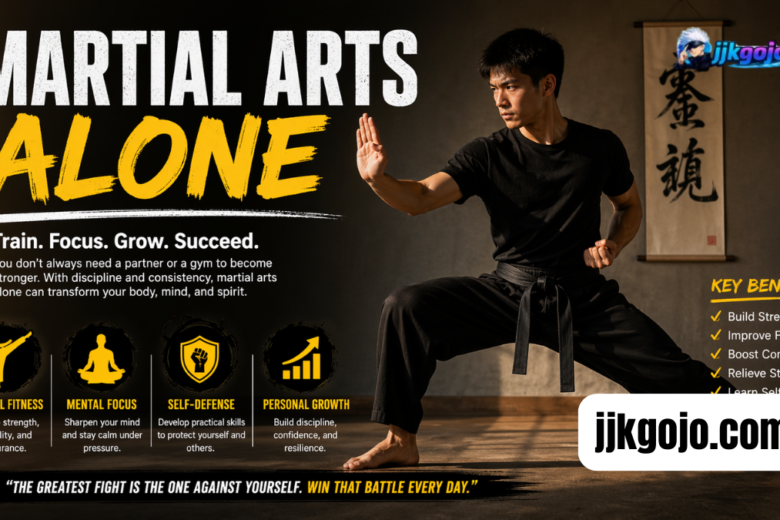
Understanding the Meaning of Martial Arts Alone
Martial arts alone is a concept that goes far beyond simply practicing techniques without a partner. At its core, martial arts alone represents a mindset, a discipline, and a deeply personal journey where an individual develops skills, strength, and awareness through independent practice. While many people associate martial arts with sparring, competition, and dojo environments, solo training has always been an essential pillar in nearly every martial art system.
Historically, martial artists spent countless hours training alone. From shadowboxing in boxing to kata in karate and forms in kung fu, solo practice has been the foundation upon which mastery is built. It allows practitioners to refine movements, improve muscle memory, and cultivate mental focus without the distractions of an opponent. In many ways, martial arts alone is where true understanding begins because it forces the individual to rely entirely on themselves.
In today’s fast-paced world, martial arts alone has become even more relevant. Not everyone has access to training partners, gyms, or instructors at all times. Solo practice provides flexibility and independence, making martial arts accessible to anyone willing to commit. Whether you are a beginner or an advanced practitioner, embracing martial arts alone can transform your approach to training and personal growth.
The History Behind Solo Martial Arts Training
The idea of martial arts alone is deeply rooted in history. Ancient warriors did not always have the luxury of constant sparring partners. Instead, they relied on repetitive solo drills to perfect their techniques. In traditional Chinese martial arts, practitioners would spend years mastering forms before engaging in combat. These forms were not just routines; they were detailed systems of movement designed to simulate real fighting scenarios.
In Japanese martial arts, kata plays a similar role. Kata is a sequence of movements that represents defensive and offensive techniques against imaginary opponents. Practicing kata alone helps students internalize techniques and develop precision. It also builds discipline and respect for the art, as each movement carries meaning and intention.
Even in modern combat sports like boxing and mixed martial arts, solo training remains essential. Fighters spend hours shadowboxing, working on footwork, and visualizing opponents. This demonstrates that martial arts alone is not a new concept but a timeless practice that continues to evolve while maintaining its core principles.
Benefits of Practicing Martial Arts Alone
Training martial arts alone offers a wide range of benefits that go beyond physical fitness. One of the most significant advantages is the ability to focus entirely on personal improvement. Without the pressure of competition or comparison, individuals can work at their own pace and address their weaknesses more effectively.
Another major benefit is mental clarity. Martial arts alone encourages mindfulness and concentration. When practicing solo, every movement requires attention, and this focus helps reduce stress and improve overall mental health. Many practitioners find solo training to be almost meditative, as it allows them to disconnect from daily distractions.
Additionally, martial arts alone builds self-discipline. Without an instructor or training partner to guide you, staying consistent becomes a challenge. Overcoming this challenge strengthens your willpower and commitment. Over time, this discipline extends into other areas of life, making you more organized, resilient, and goal-oriented.
Different Types of Martial Arts You Can Practice Alone
Not all martial arts require a partner, and many styles are particularly well-suited for solo practice. Karate is one of the most popular options because of its emphasis on kata and basic techniques. Practitioners can spend hours perfecting their stances, strikes, and forms without needing another person.
Kung fu is another excellent choice for martial arts alone. It includes a wide variety of forms, each designed to improve flexibility, strength, and coordination. These forms often mimic animal movements, making the practice both challenging and engaging.
Boxing and kickboxing are also highly effective for solo training. Shadowboxing allows you to practice combinations, footwork, and defensive movements. By visualizing an opponent, you can simulate real fighting scenarios and improve your reaction time.
Taekwondo, with its focus on kicks and forms, is also ideal for practicing alone. The repetitive nature of its techniques helps build muscle memory and precision. Regardless of the style you choose, martial arts alone offers countless opportunities for growth and improvement.
Essential Techniques for Solo Martial Arts Training
When practicing martial arts alone, it is important to focus on fundamental techniques. These basics form the foundation of all advanced skills and should never be overlooked. Strikes such as punches, kicks, elbows, and knees should be practiced repeatedly to ensure proper form and power.
Footwork is another critical aspect of martial arts alone. Movement determines positioning, balance, and the ability to attack or defend effectively. Practicing footwork drills helps improve agility and coordination, making your movements more fluid and efficient.
Defense techniques, including blocks and evasive maneuvers, should also be part of your solo training routine. Even without a partner, you can visualize attacks and practice responding to them. This not only improves your technique but also enhances your ability to react under pressure.
Consistency is key when working on these techniques. Regular practice ensures that movements become second nature, allowing you to perform them instinctively during real situations.
The Role of Discipline in Martial Arts Alone
Discipline is the backbone of martial arts alone. Without it, maintaining a consistent training routine becomes nearly impossible. Unlike group classes where schedules are fixed, solo practice requires self-motivation and commitment.
Developing discipline starts with setting clear goals. Whether you want to improve your fitness, learn self-defense, or master a specific technique, having a purpose gives your training direction. It also helps you stay focused and motivated over time.
Another important aspect of discipline is consistency. Practicing martial arts alone regularly, even for short periods, is more effective than occasional intense sessions. Building a habit ensures steady progress and prevents burnout.
Finally, discipline involves accountability. Since there is no instructor watching, you must be honest with yourself about your effort and progress. This level of self-awareness is one of the most valuable skills you can develop through martial arts alone.
How to Create an Effective Solo Training Routine
Creating a structured routine is essential for success in martial arts alone. A well-balanced training session should include warm-ups, technique practice, conditioning, and cool-down exercises. This ensures that all aspects of fitness and skill development are addressed.
Start with a proper warm-up to prepare your body for training. This can include stretching, light cardio, and mobility exercises. Warming up reduces the risk of injury and improves performance.
Next, focus on technique practice. Choose a few movements or combinations and repeat them with precision. Pay attention to form and control rather than speed. This stage is where most of your skill development occurs.
Conditioning exercises such as push-ups, squats, and core workouts should also be included. These exercises build strength and endurance, which are essential for martial arts performance.
Finally, end your session with a cool-down to relax your muscles and improve flexibility. A structured routine ensures that your martial arts alone practice is effective and sustainable.
Common Challenges in Martial Arts Alone
While martial arts alone offers many benefits, it also comes with challenges. One of the most common issues is the lack of feedback. Without an instructor or partner, it can be difficult to identify mistakes and correct them.
Another challenge is maintaining motivation. Training alone can sometimes feel repetitive or isolating. Without the energy of a group environment, staying engaged requires extra effort.
Additionally, there is a risk of developing bad habits. Incorrect techniques practiced repeatedly can become ingrained, making them harder to fix later. This is why it is important to use resources such as videos or occasional coaching sessions to ensure proper form.
Despite these challenges, martial arts alone remains highly effective when approached with the right mindset and strategies.
Tools and Equipment for Solo Martial Arts Practice
Although martial arts alone can be practiced without equipment, certain tools can enhance your training. A punching bag is one of the most useful items, allowing you to practice strikes with power and resistance.
A mirror is another valuable tool. It helps you observe your movements and make adjustments in real time. This is especially useful for improving form and posture.
Resistance bands and weights can be used for strength training, adding variety to your workouts. These tools help build the physical attributes needed for effective martial arts performance.
Finally, training mats provide a safe surface for practicing techniques, especially those involving movement or ground work. While equipment is not essential, it can significantly improve the quality of your martial arts alone practice.
The Mental Aspect of Training Alone
Martial arts alone is as much a mental practice as it is physical. Training alone requires focus, patience, and resilience. Without external motivation, you must rely on your inner drive to keep going.
Visualization is a powerful mental tool in solo training. By imagining an opponent, you can simulate real combat situations and improve your reactions. This technique is widely used by professional fighters and athletes.
Another important mental aspect is self-reflection. After each training session, take time to evaluate your performance. Identify what went well and what needs improvement. This habit accelerates learning and helps you stay on track.
Over time, martial arts alone strengthens your mental toughness. It teaches you to push through challenges and remain disciplined, even when no one is watching.
Martial Arts Alone vs Partner Training
While martial arts alone is highly beneficial, it is important to understand how it compares to partner training. Solo practice focuses on technique, conditioning, and mental development. It allows you to refine skills without external pressure.
On the other hand, partner training provides real-time feedback and practical application. It helps you understand timing, distance, and the unpredictability of an opponent. Both forms of training are essential for complete development.
The key is to find a balance. Martial arts alone should complement partner training, not replace it entirely. By combining both approaches, you can achieve a well-rounded skill set and maximize your potential.
How Beginners Can Start Martial Arts Alone
Starting martial arts alone can feel overwhelming, but it is entirely possible with the right approach. Begin by choosing a style that interests you and researching its basic techniques. There are many online resources and tutorials that can guide you.
Focus on simple movements at first. Mastering the basics is more important than learning complex techniques. Take your time and practice consistently to build a strong foundation.
It is also helpful to set realistic goals. Progress may be slow at the beginning, but patience and persistence will lead to improvement. Remember that martial arts alone is a journey, not a race.
As you gain confidence, you can gradually expand your training and explore more advanced techniques.
Advanced Strategies for Mastering Martial Arts Alone
For experienced practitioners, martial arts alone offers endless opportunities for growth. Advanced strategies include combining techniques into complex sequences and increasing the intensity of your workouts.
Incorporating interval training can improve endurance and simulate the demands of real combat. This involves alternating between high-intensity exercises and short rest periods.
Another effective strategy is recording your training sessions. Watching yourself perform allows you to identify mistakes and track your progress over time.
Finally, continuously challenging yourself is key to mastery. Set new goals, learn new techniques, and push your limits. Martial arts alone is a lifelong journey, and there is always room for improvement.
The Future of Martial Arts Alone
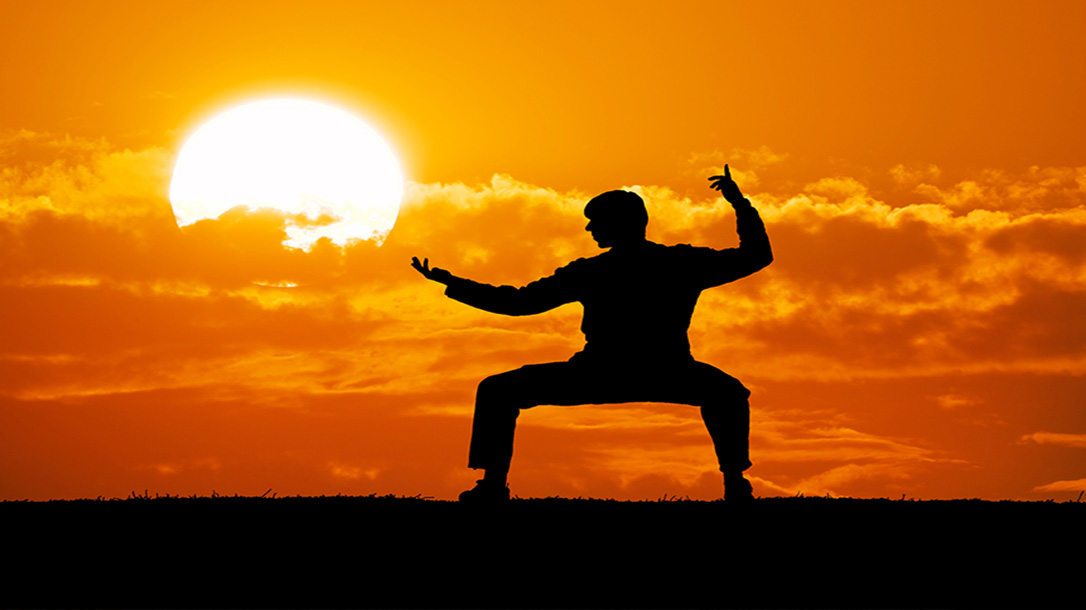
As technology continues to advance, the future of martial arts alone looks promising. Virtual training programs, online classes, and AI-driven coaching tools are making solo practice more accessible and effective.
These innovations provide guidance and feedback, helping practitioners overcome some of the challenges of training alone. They also allow people from different parts of the world to learn and connect through martial arts.
Despite these advancements, the core principles of martial arts alone remain unchanged. Discipline, consistency, and self-improvement will always be at the heart of this practice.
In the years to come, martial arts alone will continue to evolve while preserving its traditional values, making it an essential part of martial arts training for generations to come.
FAQs
Can martial arts alone be effective for self-defense?
Yes, martial arts alone builds strong fundamentals, but real self-defense also requires partner practice.
How long should I train martial arts alone each day?
Training for 30 to 60 minutes daily is enough for consistent progress.
Is it possible to master martial arts alone?
You can achieve a high level of skill alone, but full mastery usually involves some partner training.
What is the best martial art for solo practice?
Karate, kung fu, and boxing are among the best options for martial arts alone.
Do I need equipment for martial arts alone?
No, but tools like a punching bag or mirror can improve your training.
How do I stay motivated when training alone?
Set clear goals, track progress, and maintain a consistent routine.
Can beginners start martial arts alone without a coach?
Yes, beginners can start alone using online resources and basic techniques.
Does martial arts alone improve fitness?
Absolutely, it enhances strength, flexibility, and overall endurance.
How can I avoid mistakes while training alone?
Use mirrors, record yourself, and occasionally seek expert feedback.
Is martial arts alone suitable for all ages?
Yes, people of all ages can benefit from solo martial arts training.
Also read: Mahoraga: The Most Fearsome Shikigami in Jujutsu Kaisen